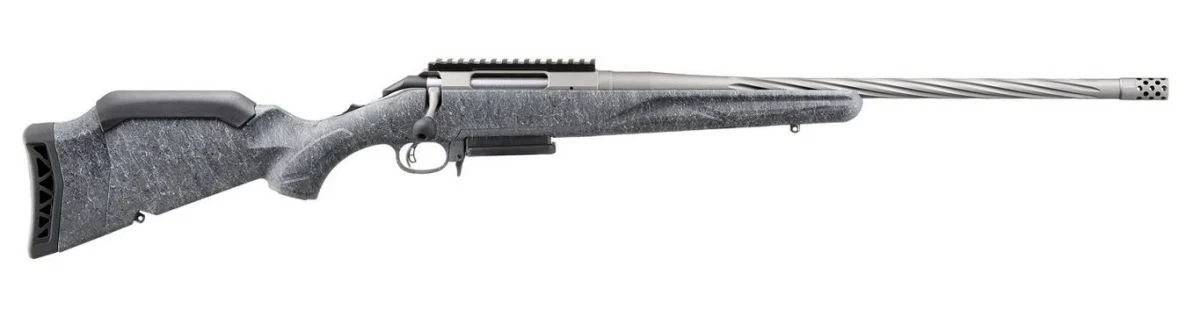
Rimfire Rifles and Range Practice
A .22 rifle is the cheapest serious training tool in shooting, and it is also the gun most people neglect. Ammunition costs a fraction of centerfire, recoil is nil, the report is mild enough for most outdoor ranges, and every fundamental that matters on a service rifle or a hunting rifle is learned faster when the gun is not punishing you. This guide covers what to look for in a rimfire rifle, what the ammunition differences actually do, and how to structure range practice so the time counts for something.
Why rimfire earns its place
Trigger control, sight alignment, natural point of aim, position building and follow-through are all identical between a .22 and a .308. What differs is the cost of a repetition and the amount of flinch you build while learning. A shooter who fires 500 rounds of .22 in a month will improve more than one who fires 50 rounds of centerfire, and will spend less doing it. For new shooters, for younger family members, and for anyone diagnosing a flinch they have developed, rimfire is the fastest path back to clean fundamentals.
Rimfire also does real work. A .22 Long Rifle handles squirrels, rabbits and pest control cleanly inside 75 yards. A .22 Magnum stretches that and hits harder on coyote-sized game. A .17 HMR shoots flat and is superb on small game at distance, at a higher ammunition cost.
Choosing a rimfire rifle
Bolt action
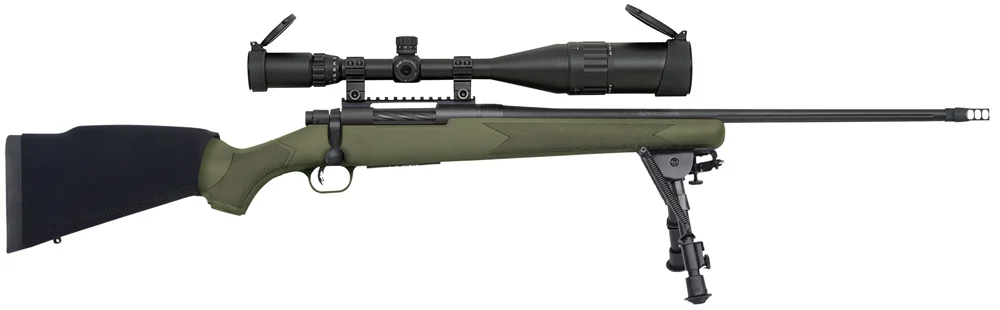
A bolt-action .22 is the best training rifle there is, because the manual cycle forces a deliberate shot process. Modern bolt guns with adjustable triggers and threaded barrels shoot far better than their price suggests. If you want one rifle to teach marksmanship, this is it.
Semiautomatic
The tube-fed and rotary-magazine semiautomatic .22 is the American default for good reason. It is light, cheap to feed, endlessly accessorised and reliable with decent ammunition. It is also the right choice for practising the parts of a defensive carbine skill set that do not involve recoil: presentation, target transitions, reloads, malfunction clearance and position changes.
AR-pattern rimfire
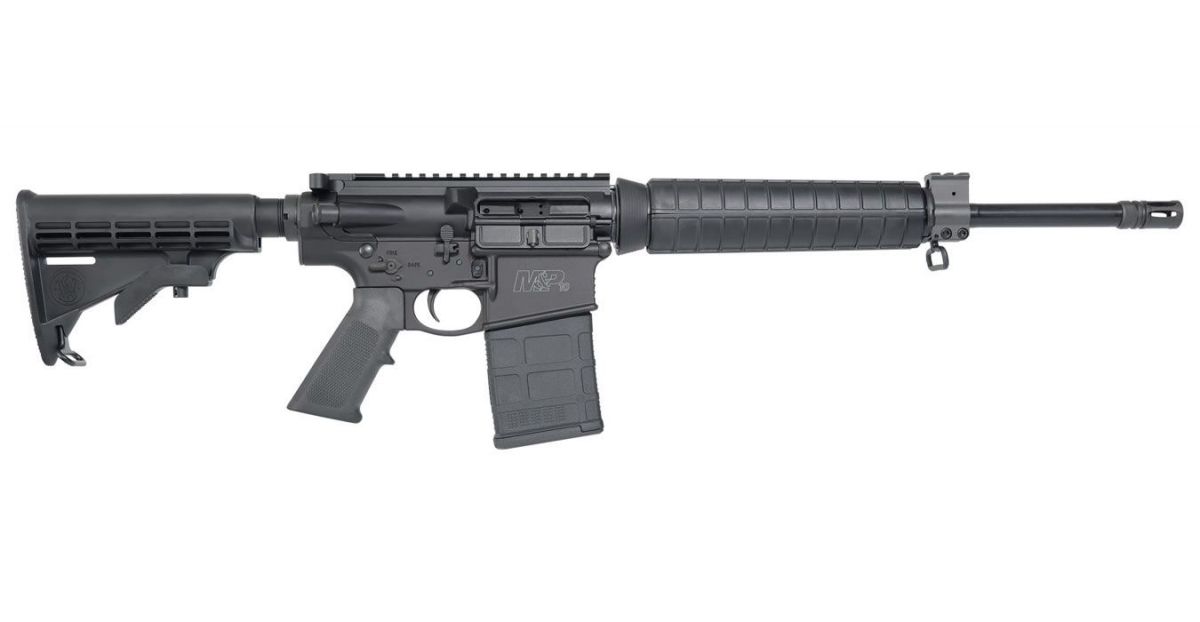
A dedicated .22 upper or a complete AR-pattern rimfire rifle gives you the same controls, the same grip and the same optic height as your centerfire carbine. Dry practice and live practice then transfer directly. Conversion kits that drop into an existing 5.56 upper work but tend to foul quickly and are less accurate than a dedicated barrel.
Lever action
Lever-action .22s are excellent teaching rifles for young shooters and a pleasure to shoot, though they are less common and usually harder to mount an optic on cleanly.
Ammunition, and why your rifle is picky
Rimfire ammunition varies more between lots than centerfire does, and rifles have genuine preferences. Two boxes that look identical can group half an inch apart at 50 yards out of the same barrel. That is normal.
- Standard velocity, 40 grain. Subsonic or near it, consistent, and usually the most accurate choice in a bolt gun. Some semiautomatics will not cycle it reliably.
- High velocity, 36 to 40 grain. The default. Cycles almost everything, adequate accuracy, cheap in bulk.
- Bulk pack. Fine for plinking and volume drills. Expect the occasional dud and more spread on paper.
- Match grade. Tight tolerances and consistent velocity, at four or five times the price. Worth it for precision work, wasted on steel plates at 25 yards.
- Subsonic hollow point. Quiet and effective on small game, often needs a semiautomatic tuned for it.
Buy three or four different types in small quantities, shoot five-shot groups off a rest, and then buy a case of whichever your rifle likes. That single afternoon is worth more than any upgrade you can bolt on.
Optics and sights
A .22 zeroed at 50 yards is only a couple of inches low at 75 and drops sharply past 100, so holdover matters more than it does with centerfire. A three-to-nine or four-to-twelve variable scope with a parallax setting that goes down to 25 yards suits small-game and target work. For carbine-style practice, a red dot keeps the drill realistic and the speed honest. Iron sights are still worth learning on, and a bolt-action rimfire with good irons is the traditional way to teach a beginner where the shot actually goes.
Structuring practice so it counts
Ammunition is cheap enough that it is easy to waste a session making noise. A little structure fixes that.
- Start cold. First shot of the day at a small target from your intended position. That single round tells you more about your real capability than the next hundred.
- Work one thing. Pick trigger control, or position, or transitions, and stay on it for the session.
- Use small targets at close range. A one-inch dot at 25 yards demands the same precision as a much larger target far away, and it keeps you on a short range bay.
- Shoot for score. An unscored group teaches nothing. Write it down and compare week to week.
- Finish with a drill under time. Speed exposes what precision practice has fixed and what it has not.
At a public range
Most of the state wildlife agency and national forest ranges listed on this site welcome rimfire and many have a dedicated 25 or 50 yard line. A few require a hunting licence, a range permit or a small day fee, and hours change with the season. Steel targets need a rimfire-rated plate and a minimum distance, usually 25 yards, and no steel at all is allowed at some public ranges. Bring your own stapler, backers and a spotting scope, because public ranges rarely supply them.
Rimfire rifles are in the shop along with optics, mounts and ammunition, and the range lists for each state are on the city pages. If you are moving from rimfire practice to a centerfire carbine, the AR-15 guide covers the choices, and the used and trade-in guide is worth reading first if you want a bolt-action .22 on a budget, because it is one of the best categories on the used market.
Rifles ship to the licensed dealer you choose. Ammunition, optics and accessories ship to the door where your state allows it, and the details are on the state gun laws overview.
General information, not legal advice. Current as of September 2026. Laws change; check the official source before you act.