Buying Used and Police Trade-In Firearms
The used counter is where the value is. A firearm is a durable good made largely of steel, and a well-kept gun that has fired a few thousand rounds is functionally new. Police trade-ins in particular are carried constantly and shot rarely, which is exactly the wear pattern you want. This guide covers what to look for, what to walk away from, how police trade-ins are graded, and how a used firearm reaches you when you buy it online.
Why used is worth considering
A new handgun loses a meaningful share of its value the moment it leaves the counter. Buying used means somebody else took that loss. Beyond price, the used market is the only place to find guns that are no longer made, configurations that were dropped, and steel-frame pistols and blued revolvers that new production has largely abandoned. For a first defensive handgun, a used service pistol from a major maker at a discount is usually a better buy than a new budget-brand gun at the same price.
The trade-off is that you inherit the previous owner's decisions. A gun with a home-fitted trigger, a rounded sear or the wrong springs will not announce itself on a photograph. That is why grading and inspection matter.
Police and agency trade-ins
When a department changes service weapons it sells the old fleet through a distributor. Those guns have been worn in holsters for years, cleaned on a schedule, and fired a few hundred rounds a year at qualification. Holster wear on the slide and muzzle is normal and cosmetic. Internally they are often in better shape than a privately owned gun of the same age.
Grading terms vary between distributors, but the common scale runs roughly as follows.
- Grade A or excellent. Minor handling marks, strong finish, no meaningful holster wear.
- Grade B or very good. Visible holster wear on the slide edges and muzzle, finish worn through in places, mechanically sound.
- Grade C or good. Heavy external wear, possibly rust freckling on the finish, function tested and safe.
Grade B is usually the value sweet spot. A grade C gun is worth buying if you plan to refinish it or you simply do not care what it looks like. Ask what magazines are included, because agency guns frequently arrive with one magazine or none, and check whether the original sights have been replaced with something a department specified.
Inspecting a used firearm
You cannot do all of this from a listing photograph, but you can do all of it at your dealer's counter before you take the gun home, and a reputable dealer will let you.
Bore and muzzle
Look through the bore at a white card. Sharp rifling and an even surface are what you want. Pitting that looks like a coarse grey texture usually means corrosive ammunition or long-term neglect and will cost accuracy. On a rifle, check the crown at the muzzle for dings, because a damaged crown ruins groups by itself.
Lockup and timing
On a revolver, check that the cylinder locks up tightly at each chamber with the hammer down, and that the bolt drops into the notch before the hammer falls. Excessive side-to-side play in the cylinder, or a chamber that does not carry up, means a trip to a gunsmith. On a semiautomatic, check that the slide returns fully into battery and that the barrel does not rattle excessively when it does.
Frame, slide and receiver
Look for cracks around the locking lugs, the frame rails and the slide stop cut. Surface rust cleans off. Deep pitting on a load-bearing surface does not. On a rifle, check the receiver extension threads, the barrel nut, and whether the gas key is still properly staked.
Springs and small parts
Recoil springs, magazine springs and extractor springs are consumables. Budget to replace them on any used gun of unknown history. They are cheap and they fix most reliability complaints attributed to an old gun.
Aftermarket work
Ask what has been changed. Sights, grips, triggers and magazine releases are common and usually harmless. A stoned or polished sear on a defensive gun is a reason to walk away unless a gunsmith did it and you can verify who.
Categories that hold up well used
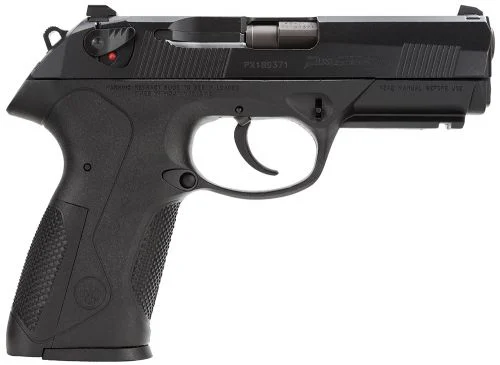
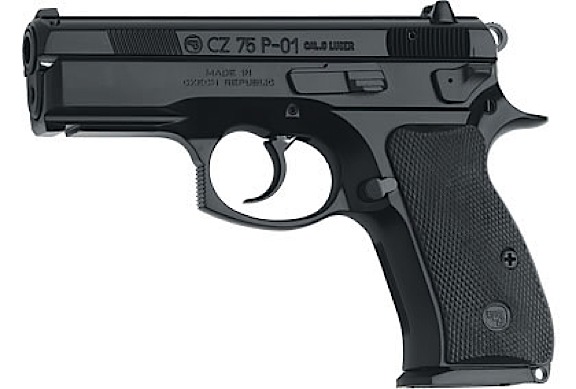
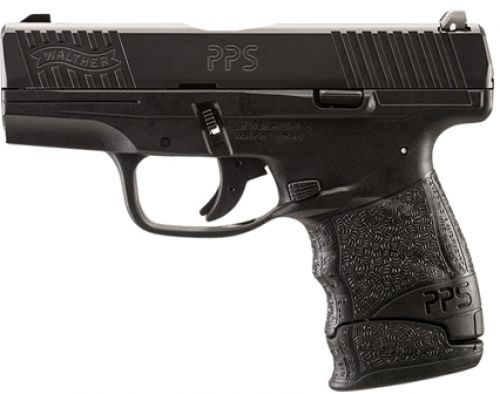
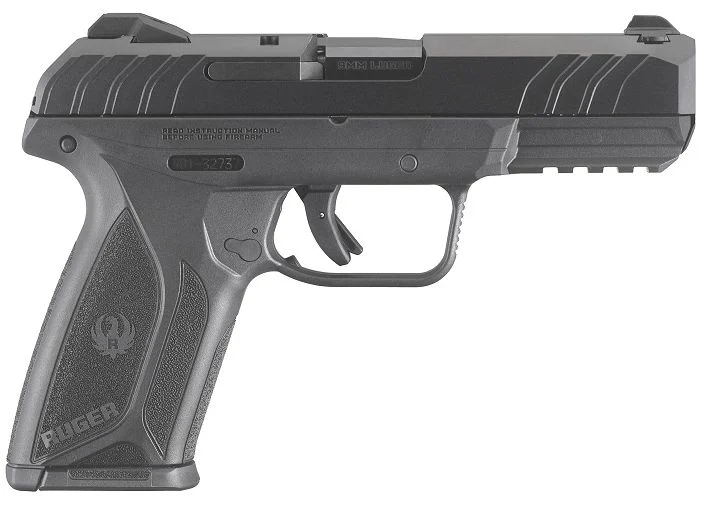
- Police trade-in service pistols. The single best value in handguns.
- Pump shotguns. Simple, robust, and cheap secondhand. A used pump gun with a scarred stock is a bargain.
- Bolt-action hunting rifles. Most have fired fewer than 200 rounds in their life. Check the bore, check the bedding, and buy.
- Bolt-action rimfires. Often decades old and still shooting well, as covered in the rimfire guide.
- Revolvers. Very durable, but timing problems are expensive, so inspect carefully.
Be more cautious with used semiautomatic rifles that have been heavily modified, with any gun sold as a project, and with anything where the seller cannot say how many rounds have gone through it and does not care.
How buying a used gun from us works
The process is identical to buying new. You order, the firearm ships to the licensed dealer you choose, and you complete ATF Form 4473 and the background check there before taking it home. A used gun is not a private sale just because it has been owned before; once it is in a dealer's inventory it moves through the same federal paperwork as anything else. The rules that apply in your state are on the state gun laws overview and on your own city page.
Two practical points specific to used guns. First, magazine and feature restrictions apply to used firearms exactly as they do to new ones, so a used rifle with a factory thirty-round magazine cannot ship to a state that caps capacity. Second, check what is in the box. Used guns often arrive without the original case, lock, manual or full magazine complement, and the listing should say so.
Our used and trade-in stock changes constantly as distributor lots come and go. The current selection is in the shop, and if you are shopping used because you want the most rifle for the money, the specification notes in the AR-15 guide apply just as well to a secondhand rifle as a new one.
General information, not legal advice. Current as of September 2026. Laws change; check the official source before you act.